The interior of Cantabria molded basins of the rivers from the sea Cantabrian Mountains seek to dump their waters, thus forming the valleys that take their names; the Asón (1h 15 ‘) beginning in a beautiful ponytail 70 m high. The Pas (45 ‘) with its typical pasiega cabins and its particular landscape shaped by the use of their pastures. Besaya Valley (10 ‘) in which the many Romanesque churches allow us to make a specific route to visit them.
The Valley of Saja (20′), which together with the Nansa (40′), home to an overwhelming nature, impressive for the number of colours covering their forests especially in autumn among those who will discover lovely towns that stand out for their architecture traditional mountain (Barcena Mayor, Carmona, Tudanca, …) or the amazing cave “El Soplao”.
Campoo Valley at the south of the community (45 ‘), birthplace of the Ebro River, will surprise not only for its natural beauty, but also because it saves an incredible collection of cave hermitages and two romanesque collegiate churches.
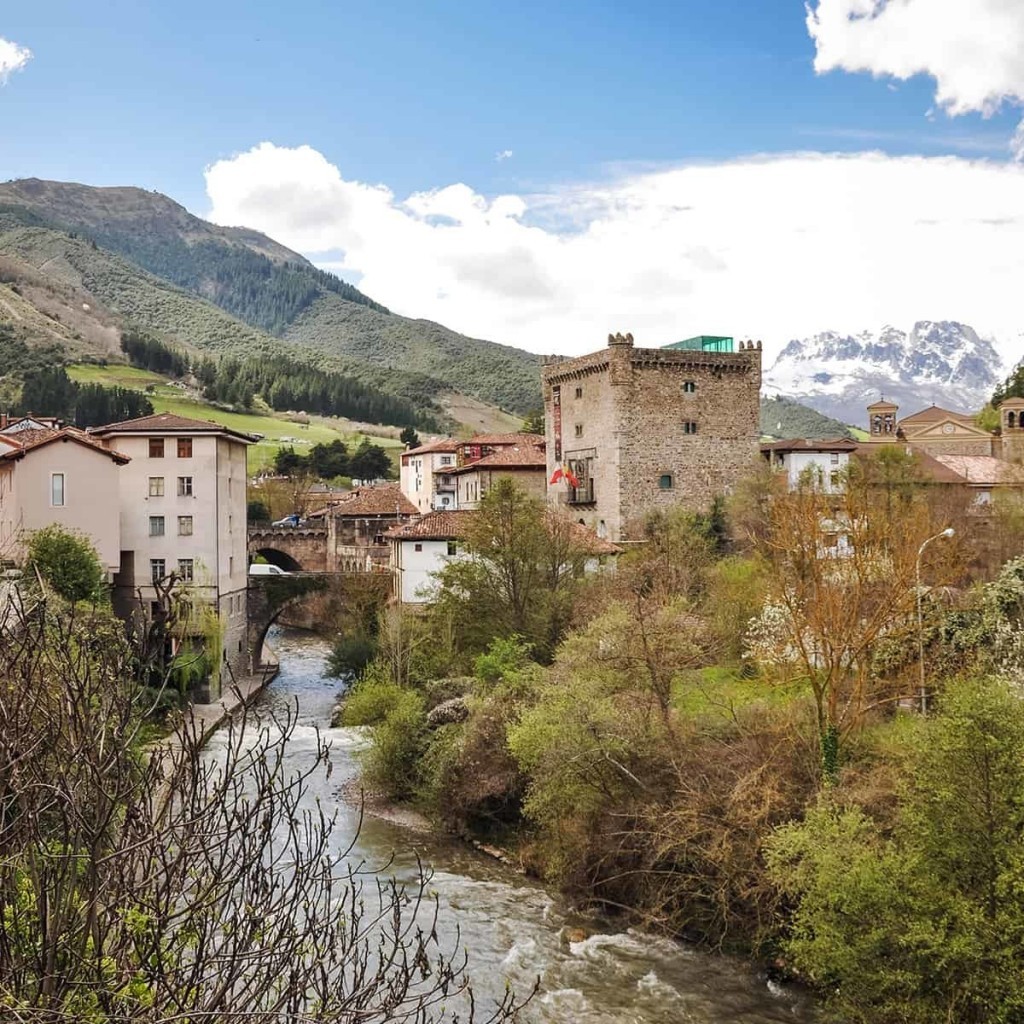
Finally you can discover one of the most famous but also amazing valleys of Cantabria: the valley of Liebana, in the heart of the Picos de Europa, where you can peek at their peaks from the cable car of Fuente Dé, visit the Mozarab church of Santa Maria de Lebeña or its capital Potes. The Monastery of Santo Toribio de Liebana is next to Jerusalem, Rome, Santiago de Compostela and Caravaca de la Cruz the privilege of celebrating the Holy Year. The Jubilee Year is celebrated Lebaniego year the feast of Santo Toribio, when April 16 falls on a Sunday.
Cantabria is pierced by a multitude of caves and many of them can enjoy vestiges of our ancestors in the form of cave paintings, not in vain Cantabria has 9 caves listed as world heritage, and if you are of the brave, also able to encourage and spelunking among many other activities that form part of them.
YOU CAN NOT MISS
“Cocido Montañes” in the valley of Saja,”Cocido Lebaniego in the valley of Liebana, the “caricos” in Ason valley and cheeses in all the valleys (from soft cheeses to the famous “quesucos” of Liebana and Tresviso in the same valley). And, of course, you have to try the sobaos and quesadas in the valley of Pas.